Zambia has 779 indigenous bird species. This is not counting those that have been introduced to this region artificially by humans. And yes, we are talking about real birds!
As a child, I remember walking down to Chimwemwe stream to watch the rich bird varieties in the thick growth of reeds that grew all along the river banks. My favourite was the red-collared widow-bird in mating season. With its long tail and dashes of red plumage, noisy bird song and bursts of frequent low-level flight, it was just sheer exhibitionism.
Nowadays the stream is bare (and mosquito free). Fortunately there are still bird sanctuaries where it’s possible to observe birds going about their business in a more natural environment. Around Kitwe, Kumasamba Lodge and Chembe Bird Sanctuary offer the visitor a chance to bird watch.
In the villages, It’s well known that the Greater Honeyguide displays deliberate behavior to attract human attention and lead them to beehives.When humans get the honey, the birds benefit from the massive numbers of bees whose home has been destroyed.
Outside the Copperbelt, the wild life becomes even richer. “Zambia features some of the most remote and unspoiled ecosystems in southern Africa, as well as the broadest range of activities by which to fully experience the adventure of safari.” (Classic Africa.com)
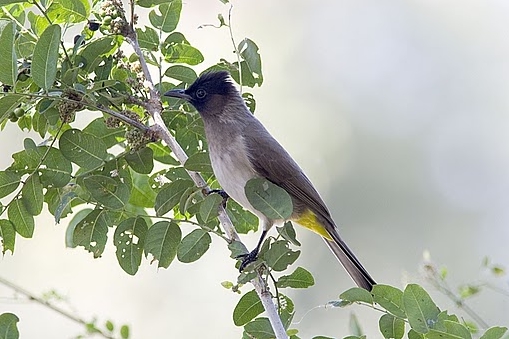
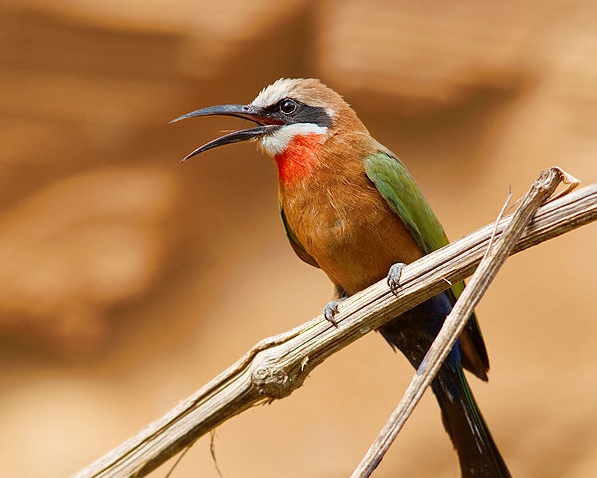
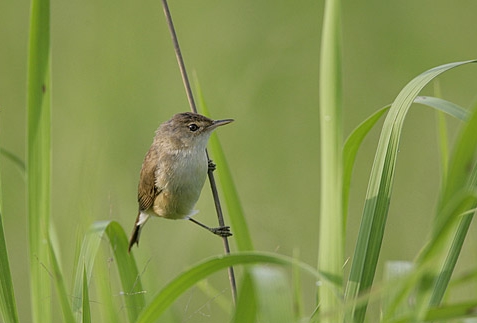
Here we present pictures of 45 common Zambian birds and include their vernacular (Bemba) and scientific names. The post would not be complete without a table! So, we have gathered all the info in a table for easier reference.
We welcome your comments and contributions. Remember there are 72 other columns waiting to be filled with the equivalent names in all Zambian languages. Send in your suggestions and contributions.
The Photos below show the bird with its Bemba, English and Scientific(in brackets) names, in that order (below each photo)
Cembe = The African Fish Eagle (Haliaeetus vocifer)
Very good site! I have sited one or two of the features birds in Lusaka in the mutumbi Meanwood area which is yet to be fully developed for housing! I wish my Nsenga was good enough to give you the Nsenga names of the birds featured.
0
0
JS
26 Jan 2016
11:58pm
Hi Kennedy,
Thanks for your kind comments.
The sounds of birds singing in their natural environment is something beautiful. I still remember watching birds in the reeds as they made their mating calls and dances, when I was two or three. Beautiful plumage – lasting memories.
Even if you manage to get just one bird in Nsenga, we’ll be happy to post the information.
1
0
Imasiku AKA
27 Jan 2020
8:58am
Here are some of the same bird names in the SILOZI Language of western Zambia:
Hi Imasiku. This is a great contribution. We will update the post to incorporate your input. Thank you.
1
0
Leonard
6 Feb 2022
2:12pm
Keep up the good work, we can’t afford to lose all that our forefathers knew, I love the names some of which remind me my grandparents and my childhood
0
0
JS
6 Feb 2022
3:12pm
Thanks. It’s up to us all to pass on what we know to those who come after us.
0
0
Swithin Kashulwe
19 Oct 2021
12:29pm
What is the vernacular name for the secretarybird (Sagittarius serpentarius)

 id=”attachment_2537″ align=”aligncenter” width=”230″ caption=”Racket-tailed Roller”












Very good site! I have sited one or two of the features birds in Lusaka in the mutumbi Meanwood area which is yet to be fully developed for housing! I wish my Nsenga was good enough to give you the Nsenga names of the birds featured.
Hi Kennedy,
Thanks for your kind comments.
The sounds of birds singing in their natural environment is something beautiful. I still remember watching birds in the reeds as they made their mating calls and dances, when I was two or three. Beautiful plumage – lasting memories.
Even if you manage to get just one bird in Nsenga, we’ll be happy to post the information.
Here are some of the same bird names in the SILOZI Language of western Zambia:
Sichikwele – AFrican Grey Parrot
Nongolo – Egret
Njolo – Honey Guide
Ostrich – Mpye
Sibungu – Bateleur’s Eagle
Fish Eagle – Ng’wanyi
Kambimbi – Swallow
Sitengu – Forktailed Drongo
Linongu – Vulture
Lingomba – Ground Horn Bill
Pied Crow – Ling’walala
Night Jar – ?
Munembo – ?
Simukuyu – ?
Imuyulu – ?
Simikata – ?
? – King Fisher
? – Woodpecker
Hi Imasiku. This is a great contribution. We will update the post to incorporate your input. Thank you.
Keep up the good work, we can’t afford to lose all that our forefathers knew, I love the names some of which remind me my grandparents and my childhood
Thanks. It’s up to us all to pass on what we know to those who come after us.
What is the vernacular name for the secretarybird (Sagittarius serpentarius)